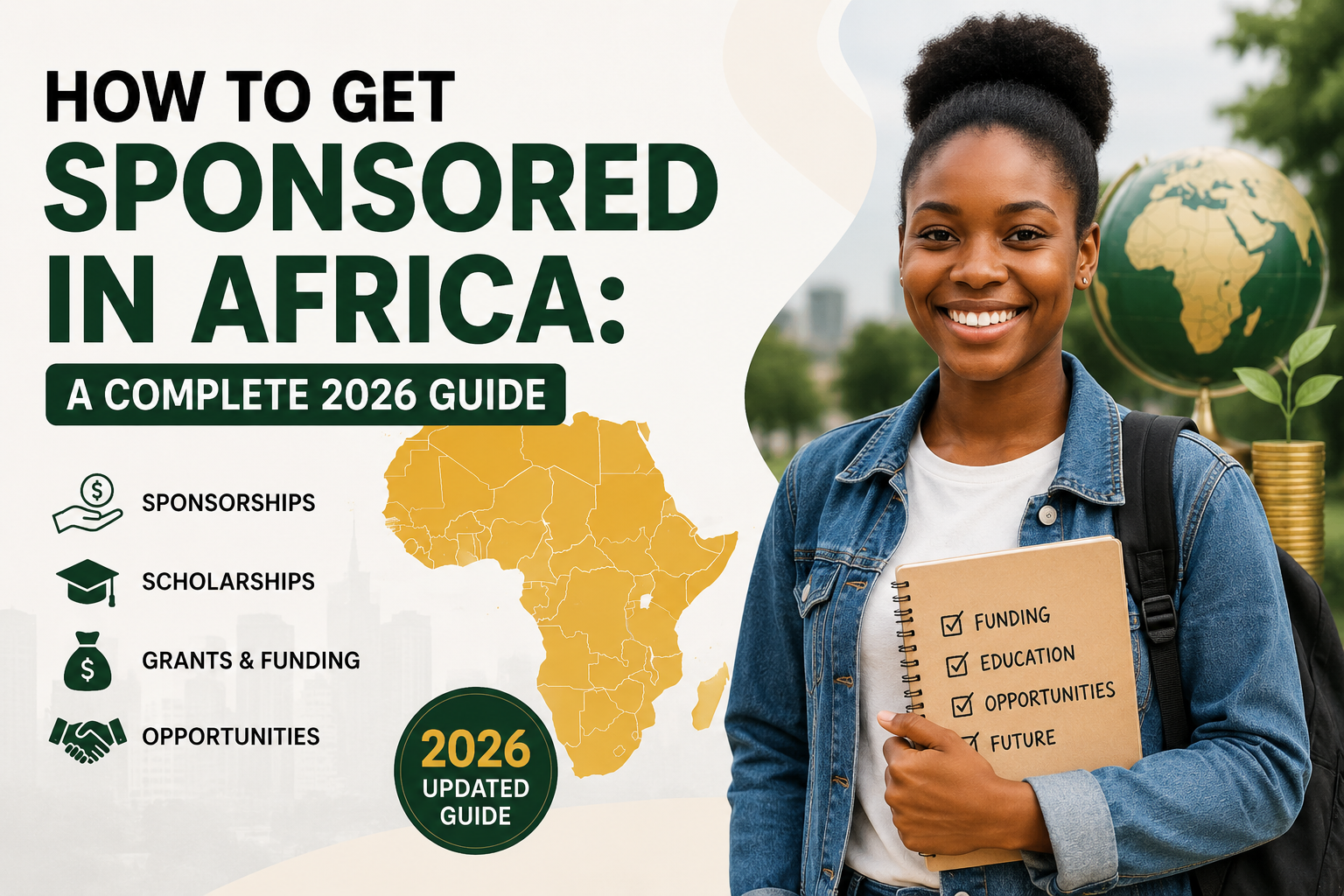
We are living in the middle of a digital renaissance. Across the African continent, a profound shift is occurring in how business is done, how stories are told, and most importantly, who gets paid to tell them. Sponsorships and brand deals are no longer exclusive clubs reserved only for A-list celebrities, mega-musicians, or superstar athletes. Today, the doors have been kicked wide open for everyday creatives, digital entrepreneurs, and niche experts.
Whether you are a tech reviewer in Lagos, a street photographer in Nairobi, a personal finance educator in Johannesburg, or a lifestyle vlogger in Accra, the opportunity to monetize your influence has never been greater. By 2026, the advertising playbook has been completely rewritten. Brands—both local African startups and massive global conglomerates—are actively moving their marketing budgets away from traditional billboards and television ads. Instead, they are pouring that money into authentic, relatable human beings who have the ears and eyes of genuine communities.
But how do you actually get a piece of that pie? How do you transition from simply posting videos for fun to running a profitable, sponsored digital business? This comprehensive guide will walk you through the exact blueprint for securing, negotiating, and sustaining lucrative brand sponsorships in today’s highly competitive market.
### 1. Demystifying the Concept of Sponsorships
Let’s clear the air right away: landing a brand deal isn’t just about getting a paycheck to upload a picture. If you approach sponsorships with that mindset, you will struggle to find long-term success. A sponsorship is a symbiotic relationship. A brand has capital and a product; you have trust, attention, and a highly specific audience. They are essentially renting your credibility.
In the modern African creator landscape, sponsorships generally manifest in five primary ways:
* **Paid Campaigns:** The classic model. You receive a direct financial payout in exchange for creating and publishing promotional content.
* **Product Seeding (Barter):** You receive high-value goods or services for free in exchange for featuring them on your platform.
* **Long-Term Ambassadorships:** A recurring, contractual relationship where you become the ongoing face or voice of a brand for months or years.
* **Experiential and Event Deals:** Brands sponsor you to host, attend, or speak at physical or virtual events, covering your costs and paying an appearance fee.
* **Affiliate and Performance Deals:** You earn a dedicated commission for every sale, app download, or lead you generate through your unique tracking links.
The golden rule to remember here is that brands are not buying your follower count. They are buying the trust you have cultivated with your audience.
### 2. Forging an Unshakable Personal Brand
You cannot monetize confusion. If a brand looks at your profile and cannot immediately figure out who you are, what you stand for, and who watches your content, they will move on to the next creator. Before you ever send a pitch email, you need to establish a rock-solid foundation.
Take a piece of paper and answer these three questions honestly: *What exact problem does my content solve? Who exactly is watching me? Why do they care about my opinion?*
Your personal brand needs to be laser-focused. Instead of being a “lifestyle creator” who posts random daily vlogs, become the “budget-friendly travel guide for young African professionals.” Niches like tech, personal finance, cooking, fitness, and gaming are incredibly lucrative right now.
**Pro Tip:** Hyper-localization is your greatest superpower. Global brands trying to penetrate the African market desperately need creators who understand local nuances, slang, and cultural touchpoints. A creator who speaks directly to the reality of living in Kenya, Nigeria, or South Africa is infinitely more valuable to a regional campaign than a generic, overly polished influencer.
### 3. Cultivating a Community, Not Just an Audience
One of the biggest traps aspiring creators fall into is the pursuit of vanity metrics. We obsess over hitting 100,000 followers, mistakenly believing that a magical door to sponsorships will open once we reach that number. In 2026, this couldn’t be further from the truth.
Marketing executives are much smarter now. They know that followers can be bought and that viral fame doesn’t always translate into consumer trust. Today, engagement is the ultimate currency. Brands are looking closely at your comment section. Are people asking you questions? Are they saving your posts? Are they sharing your videos with their friends?
If you have 5,000 followers but 500 of them actively engage with every single thing you post, you are incredibly valuable. These are known as “micro-influencers,” and they are currently dominating the African sponsorship market. To boost your engagement, stop talking *at* your audience and start talking *with* them. Reply to comments, use compelling storytelling, ask questions, and build a genuine community.
### 4. Dominating the Right Digital Real Estate
You do not need to be on every single social media platform to be successful. Spreading yourself too thin usually results in mediocre content across the board. Instead, figure out where your specific target audience spends their time and dominate that space.
Here is a quick breakdown of the 2026 landscape:
* **TikTok:** The undisputed king of organic reach. If you want to get discovered quickly by massive numbers of people, this is the place to be.
* **Instagram:** Still the premium platform for visual aesthetics and lifestyle content. It remains a favorite for fashion, beauty, and travel brands.
* **YouTube:** The ultimate engine for long-term, sustainable monetization. Videos you make today can still generate leads and ad revenue years from now.
* **LinkedIn:** The hidden goldmine. If you talk about business, career growth, or tech, LinkedIn is starved for good creator content, making it incredibly easy to secure B2B (business-to-business) sponsorships.
* **X (formerly Twitter):** The hub for thought leadership, crypto, tech, and rapid-fire cultural conversations.
### 5. Crafting Content That Acts as a Magnet for Brands
If your current feed doesn’t look like you are capable of producing high-quality sponsored content, brands won’t trust you with their money. You have to dress for the job you want.
This means your audio needs to be crisp, your lighting needs to be clean, and your storytelling needs to be engaging. Brands are constantly scouting for creators who know how to seamlessly integrate products into their daily lives without sounding like a late-night infomercial.
Start practicing right now. Do a high-quality, unpaid review of a product you already own and love. Frame it beautifully. Edit it professionally. Show brands exactly what they would get if they hired you.
### 6. The Modern Media Kit: Your Digital Billboard
If you want to be treated like a business professional, you need the tools of a business professional. A media kit is essentially your creator resume. It is a clean, well-designed document (usually a PDF) that tells a brand everything they need to know about you in under two minutes.
Your media kit must include:
* A brief, punchy biography detailing who you are and what you do.
* A breakdown of your audience demographics (age, location, gender).
* Your hard statistics (follower counts, average reach, and most importantly, engagement rates).
* High-quality examples of your best-performing content.
* Case studies of past brand work (if you have them) showing actual results.
* Clear contact information.
Keep the design sleek. Use platforms like Canva to build something that looks like it belongs on a corporate desk.
### 7. The Art of the Pitch: Don’t Wait to Be Discovered
Sitting around waiting for brands to slide into your DMs is a terrible business strategy. The most successful creators in Africa are proactive. They treat their channels like media agencies and actively hunt for clients.
Look for brands that are currently running ads on social media. Look for local startups that have recently received funding. Look for international companies that are launching campaigns in your country. Find the contact information for their PR or marketing managers on LinkedIn, and send a targeted pitch.
Do not send a generic “Hello, I love your brand, please sponsor me” email. A winning pitch sounds like this: *”Hi [Name], I’m a Nairobi-based tech creator with an audience of 20,000 highly engaged university students. I noticed you are launching your new student-discount program next month. I have two specific video concepts that I believe could drive significant sign-ups for your app. I’ve attached my media kit—would you have 5 minutes next week to chat?”*
### 8. Stepping Stones: Starting Small to Win Big
Ego is the enemy of a growing creator. When you are just starting out, you might not secure a $5,000 contract right out of the gate. That is perfectly fine.
Accepting smaller deals, affiliate partnerships, or even product-exchange (barter) deals is a crucial part of building your portfolio. These early collaborations allow you to figure out the logistics of working with a client, hitting deadlines, and reading creative briefs. Once you execute flawlessly on a small deal, you can use that success as leverage to ask for double the rate on your next pitch. Every small win is a stepping stone.
### 9. Pricing Your Influence: Knowing Your Worth
Pricing is often the most anxiety-inducing part of being a creator, particularly in African markets where budgets can vary wildly from one country to the next.
There is no universal price tag, because rates depend on your engagement, your niche, the platform, and the scope of the work (e.g., does the brand want to run your video as a paid ad for six months?).
As a very rough benchmark in today’s economy:
* **Micro-creators (1k – 10k followers):** $50 to $300 per dedicated integration.
* **Mid-tier creators (50k – 200k followers):** $400 to $1,500+ per post.
* **Macro-influencers:** $2,000 and heavily upward.
Always start your negotiations slightly higher than what you are willing to accept. This leaves room for the brand to negotiate down without you feeling cheated.
### 10. Overdelivering: The Secret to Client Retention
Securing the bag is only step one; securing the *next* bag is where true wealth is built. The easiest way to guarantee a brand will hire you again is to be the easiest, most professional creator they have ever worked with.
Read the creative brief thoroughly. Hit your deadlines before they are due. Communicate proactively if there is a delay. After the campaign goes live, don’t just walk away. Compile a beautiful wrap-up report showing them the total views, likes, comments, and link clicks the content generated. Brands absolutely love data. If you make the marketing manager look good to their boss, they will hire you over and over again.
### 11. Transitioning to Long-Term Ambassadorships
One-off sponsored posts are great for short-term cash flow, but they are exhausting to constantly chase. Your ultimate goal should be converting successful one-off campaigns into long-term ambassadorships.
When you sign a 6-month or 12-month contract with a brand, you unlock financial stability. It allows you to actually plan your life and invest back into your content equipment. Brands prefer this too, because repetitive exposure builds much stronger consumer trust than a single, isolated post.
### 12. Navigating Pitfalls: What to Avoid
The road to creator success is littered with easily avoidable mistakes. Here is what you must avoid:
* **The Walking Billboard Syndrome:** Do not accept every single deal that comes your way. If you promote a sports betting app today, a skincare cream tomorrow, and a VPN the next day, your audience will stop trusting you entirely.
* **Poor Communication:** Ghosting a brand after signing a deal is professional suicide. Word travels fast in marketing circles.
* **Ignoring Contracts:** Never assume anything. If it isn’t written in the contract, it doesn’t exist.
### 13. The Business Side: Legalities and Getting Paid
As the creator economy matures, treating your platform like a registered business is non-negotiable. Protect yourself legally. Always ensure there is a written agreement, even if it’s just a formalized email, before you post anything. Pay very close attention to “usage rights”—if a brand wants to put your face on a billboard using the video you made, they need to pay you extra for that right.
Receiving payments across African borders used to be a nightmare, but in 2026, it is easier than ever. Familiarize yourself with platforms like Payoneer, Wise, Flutterwave, and local direct bank transfers. Always outline your payment terms (e.g., Net-30, meaning you get paid 30 days after the invoice is sent) clearly in your contracts.
### 14. Looking Ahead: Adapting to 2026 Trends
The digital landscape moves at lightning speed. To stay relevant, you must adapt. Short-form video continues to be the dominant format for consumer attention. AI tools are increasingly being used to help edit videos, write scripts, and brainstorm ideas—learn to use them to speed up your workflow.
Above all else, the trend is moving heavily toward raw authenticity. Consumers are exhausted by perfectly curated, highly filtered influencer lives. They want real, messy, relatable humanity. Lean into your unique African perspective, your local environment, and your honest voice.
### Final Thoughts
Building a sustainable, sponsored creator business in Africa is entirely within your grasp. It does not require luck, and it certainly does not require you to sell your soul. It requires a strategic mind, an unrelenting consistency, and the courage to advocate for your own worth.
Start exactly where you are today. Build a voice that matters. Nurture your community. Send that scary pitch email. The digital world is waiting for your story, and the brands are waiting to fund it. Keep creating.